
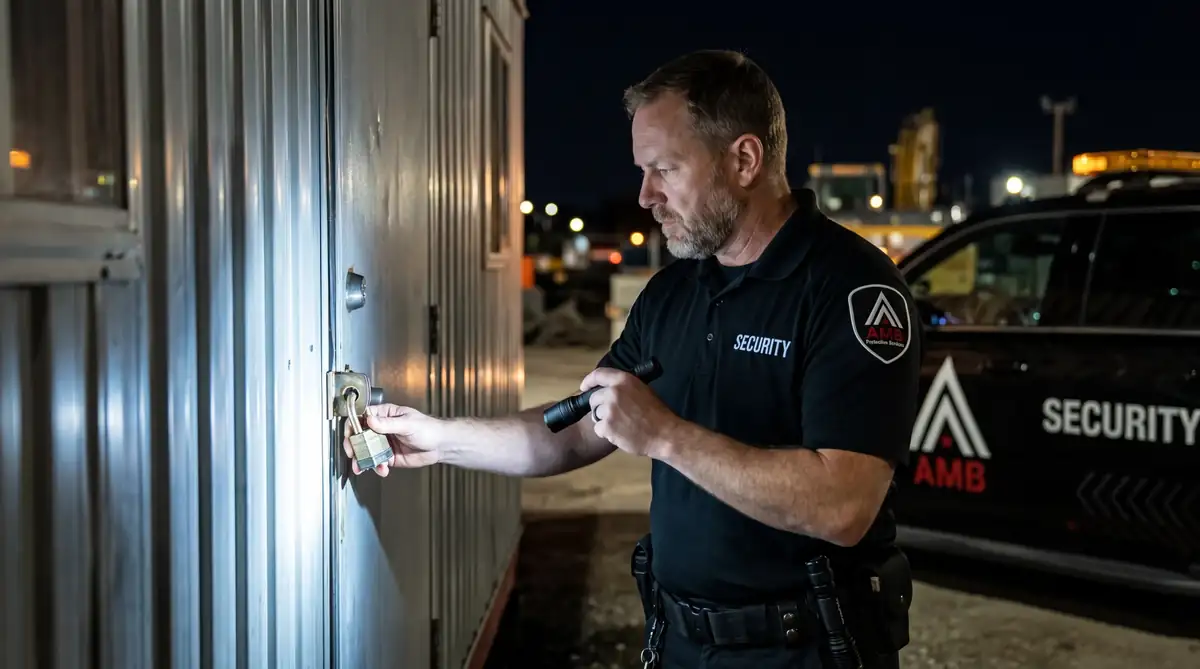
When Does San Francisco Require a Fire Watch?
A fire watch is a temporary, human replacement for a fire protection system that is not doing its job. Under the San Francisco Fire Code and SFFD requirements, when a required sprinkler system or fire alarm system is impaired (taken down for repair, damaged, or otherwise out of service) the building must be patrolled by dedicated fire watch personnel until the system is restored. The obligation applies whether the outage is planned (a valve replacement, a panel upgrade, tenant-improvement work that isolates a zone) or unplanned (a pipe break, a dead panel, water damage to devices).
Three situations account for nearly every fire watch deployment we see in San Francisco:
- System impairments. Sprinklers shut off or alarm systems offline in an occupied building, for any reason and any duration beyond what the code tolerates.
- Hot work. Welding, torch cutting, grinding, and torch-applied roofing can require a standby fire watch during the work and for a period after the last spark, because smoldering ignition is delayed by nature.
- Construction and demolition without commissioned systems. A building under construction that has not yet had its sprinklers and alarms commissioned (or a demolition where systems have been deliberately decommissioned) has no automatic detection at all. Fire watch fills that gap, often for months.
If you manage property in San Francisco, assume the question is not whether you will ever need a fire watch, but how quickly you can stand one up when the call comes.
What Does SFFD Expect a Compliant Fire Watch to Look Like?
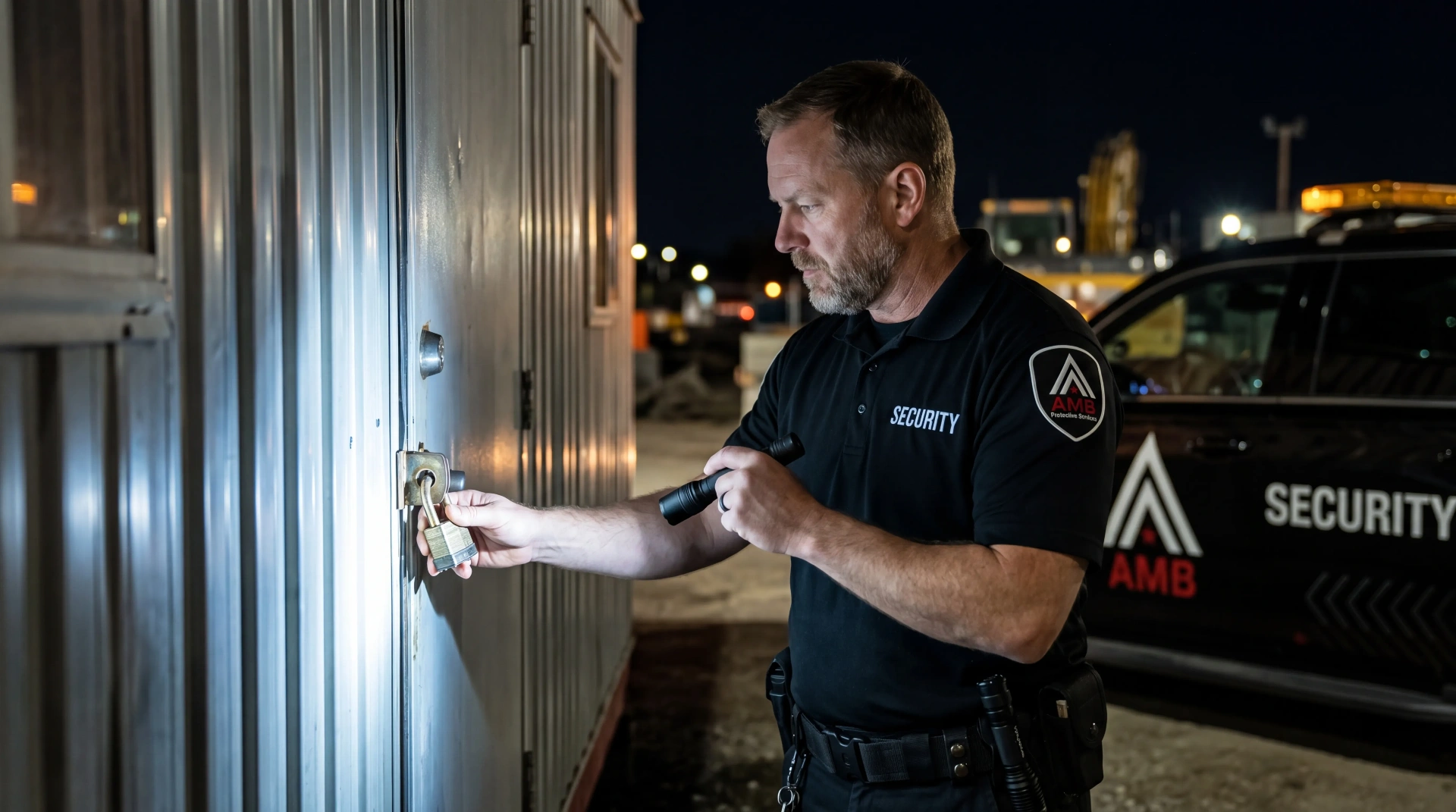
The fire department does not consider a security guard who happens to be in the building a fire watch. A compliant watch has specific characteristics, and inspectors check for them:
- Dedicated personnel. Fire watch is the officer’s primary duty. Someone splitting attention between a lobby desk, package intake, and fire rounds is not performing a fire watch.
- Continuous rounds through every affected area. That means every floor, stairwell, mechanical room, and concealed space covered by the impaired system, not a loop of the lobby.
- A written log. Each round is recorded: time, areas covered, conditions observed, name of the officer. If SFFD visits and there is no log, in the department’s eyes the watch did not happen.
- Means to summon the fire department immediately. A charged phone or radio, and an officer who knows the address, the impairment, and what to say when calling 911.
- Trained watch personnel. Officers who know the building’s egress routes, extinguisher locations, and the scope of the impairment, and who understand their job is to detect and report fire, not fight it.
AMB fire watch officers work from written post orders specific to your building, wear body-worn cameras, and produce continuous documented rounds until systems are restored, a record you can hand an SFFD inspector or your insurer without apology.
The Step-by-Step Checklist When a System Goes Down
The first hour after a sprinkler or alarm impairment sets the tone for everything that follows. Work the list in order:
- 1. Confirm the scope. Get your fire protection vendor to tell you exactly what is impaired, which zones, which floors, sprinklers or alarm or both. The fire watch footprint follows the impairment footprint.
- 2. Notify per code. Tell your alarm monitoring company the system is offline, and make the notifications the San Francisco Fire Code requires for an impaired system. Tag the system so no one assumes it is live.
- 3. Order the fire watch. Do this immediately, not after you have a repair estimate. AMB’s dispatch runs 24/7 at 415-990-5001, and we deploy fire watch officers the same day anywhere in San Francisco.
- 4. Brief the watch. Provide floor plans, access keys or codes, the impairment scope, hazard locations, and an emergency contact tree. This becomes the post order.
- 5. Document continuously. Rounds logged from the first hour to the last. Keep copies, your insurer may want them as much as SFFD does.
- 6. Push the repair. The watch is a bridge, not a destination. Escalate parts orders and vendor scheduling daily.
- 7. Restore, test, re-certify. The watch ends when the system is verified back in service, tested and confirmed, not merely reassembled.
- 8. Stand down and retain records. Close out the impairment notifications and file the complete fire watch log with the incident record.
Who Can Perform a Fire Watch?
The code’s expectation is trained, dedicated personnel. In practice, San Francisco property managers have three options, and only one of them holds up well.
Building staff seem free, but they are not dedicated (engineers get pulled to leaks, porters to spills) and they rarely produce the documentation an inspector wants. If a fire occurs during a staff-run watch with a thin log, the liability conversation is unpleasant.
The repair contractor’s own people are sometimes offered for short impairments, but they leave when the shift ends and the repair does not.
A licensed security firm is what SFFD sees most often for a reason: the personnel, licensing, insurance, and paperwork already exist. AMB Protective Services operates under California BSIS Private Patrol Operator license PPO #16681 and carries $3M in general liability coverage. Every officer holds a BSIS Guard Card, works from written post orders, and files daily activity reports, the same discipline our standing guard clients rely on, applied to fire rounds. We have been doing this in San Francisco since 2010.
Whoever performs your watch, verify three things before they start: licensing, insurance certificates, and what their round documentation actually looks like. Ask to see a sample log.
How Long Does a Fire Watch Last?
Until the system is restored and verified, full stop. The San Francisco Fire Code does not care whether that takes four hours or four months; the watch runs continuously for as long as the impairment does.
In practice, duration is driven by three variables:
- Parts. A control panel or specialty valve on backorder can turn a two-day repair into a six-week watch. This is the most common reason short watches become long ones.
- Vendor scheduling. Fire protection contractors in San Francisco book out. If your impairment is unplanned, you are joining a queue.
- Testing and sign-off. The system is not restored when the last fitting is tightened; it is restored when it has been tested and confirmed operational. Build that step into your timeline.
Plan for continuous coverage, nights, weekends, and holidays included, unless your specific situation supports something narrower. An impaired system in an occupied high-rise does not become safer at 2 a.m.; the opposite is true, because fewer people are awake to smell smoke. When we scope a fire watch, we ask for the realistic restoration date, then structure staffing so a two-week watch does not burn out a single officer or degrade round quality on day ten.
What Does a Fire Watch Cost in San Francisco?
Fire watch is billed hourly, and because the watch typically runs around the clock, the hours add up faster than most managers expect. As a reference point, our unarmed standing posts are quoted per assignment, and a continuous fire watch clears 40 hours in less than two days.
The real cost drivers are:
- Duration. The single biggest factor, and the one you influence most by pushing the repair aggressively.
- Building size and complexity. A round through a 30-story tower with multiple stairwells takes longer and may require more than one officer to keep rounds genuinely continuous across the affected area.
- Coverage hours. Continuous 24/7 coverage versus a watch scoped to occupied hours, where circumstances legitimately allow it.
- Scope of impairment. One isolated sprinkler zone is a different watch than a fully dead alarm system.
Weigh those hours against the alternative: an uncovered impairment risks stop-work orders, citations, insurance complications, and, the actual point, an undetected fire in a building full of people. Fire watch is one of the few security line items where the cost-benefit math is not subtle.
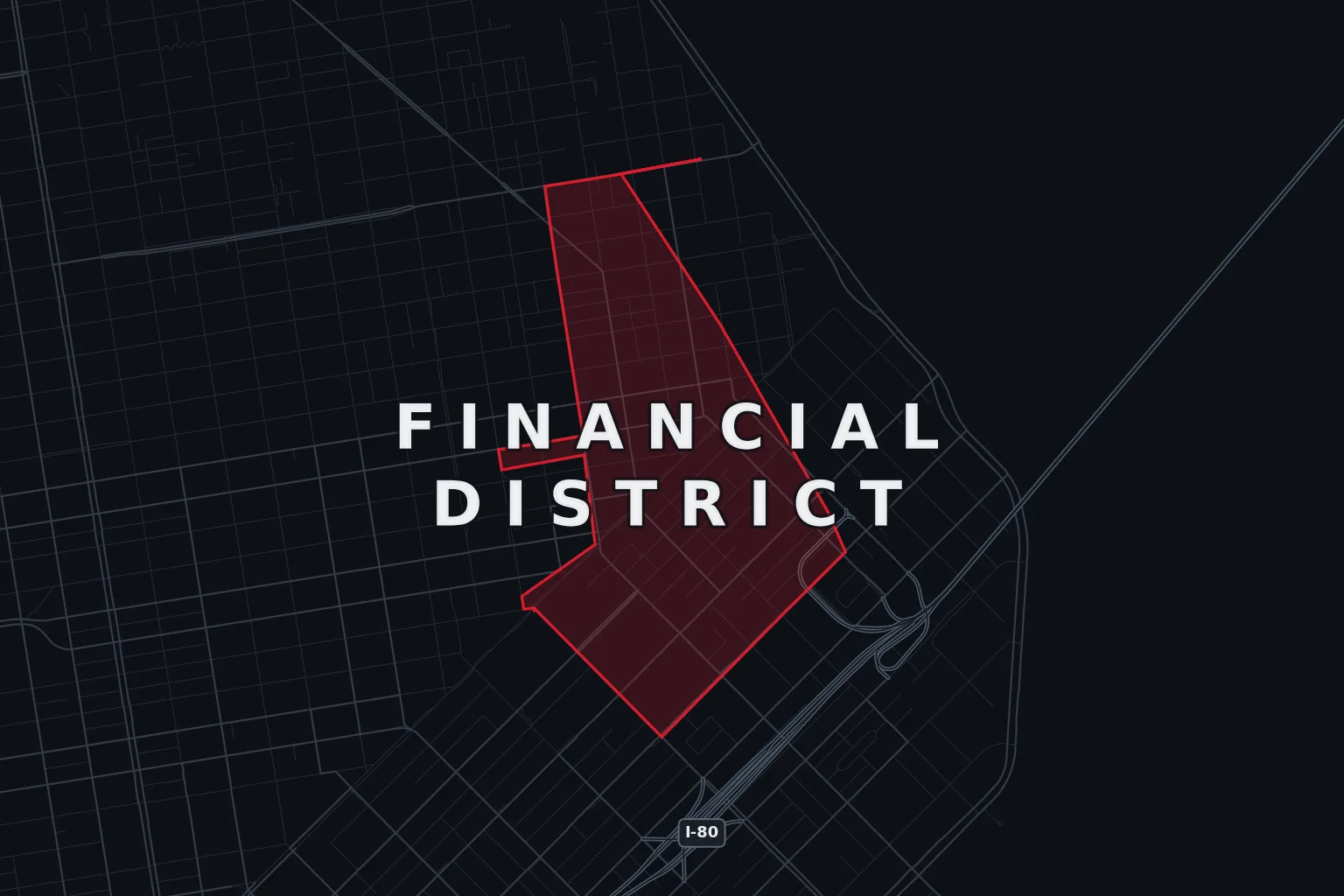
Neighborhood Nuance: FiDi High-Rises, Union Square Retail, Mission Bay Construction
A fire watch in San Francisco is not one product, because San Francisco buildings are not one building.
In the Financial District, the typical trigger is an alarm or sprinkler impairment in an occupied high-rise. The watch is defined by vertical coverage: stairwell-by-stairwell, floor-by-floor rounds, coordination with building engineering, and awareness that law firms and trading floors keep people in the building at hours the lobby considers closed. Round timing has to guarantee every floor is walked, not just the ones with tenants who complain.
Around Union Square, fire watch usually rides along with tenant-improvement work, a retailer’s build-out isolates a sprinkler zone above an actively trading sales floor. The watch officer works around customers, stock rooms, and holiday-season crowd density, and discretion matters: a compliant watch that does not alarm shoppers.
In Mission Bay, the driver is construction: towers and life-science buildings whose sprinkler and alarm systems exist but are not yet commissioned, plus routine hot work. These watches run long (weeks and months, tracking the commissioning schedule) and frequently overlap with the site’s general security needs, which brings us to the last point.
When Fire Watch Overlaps Construction Security
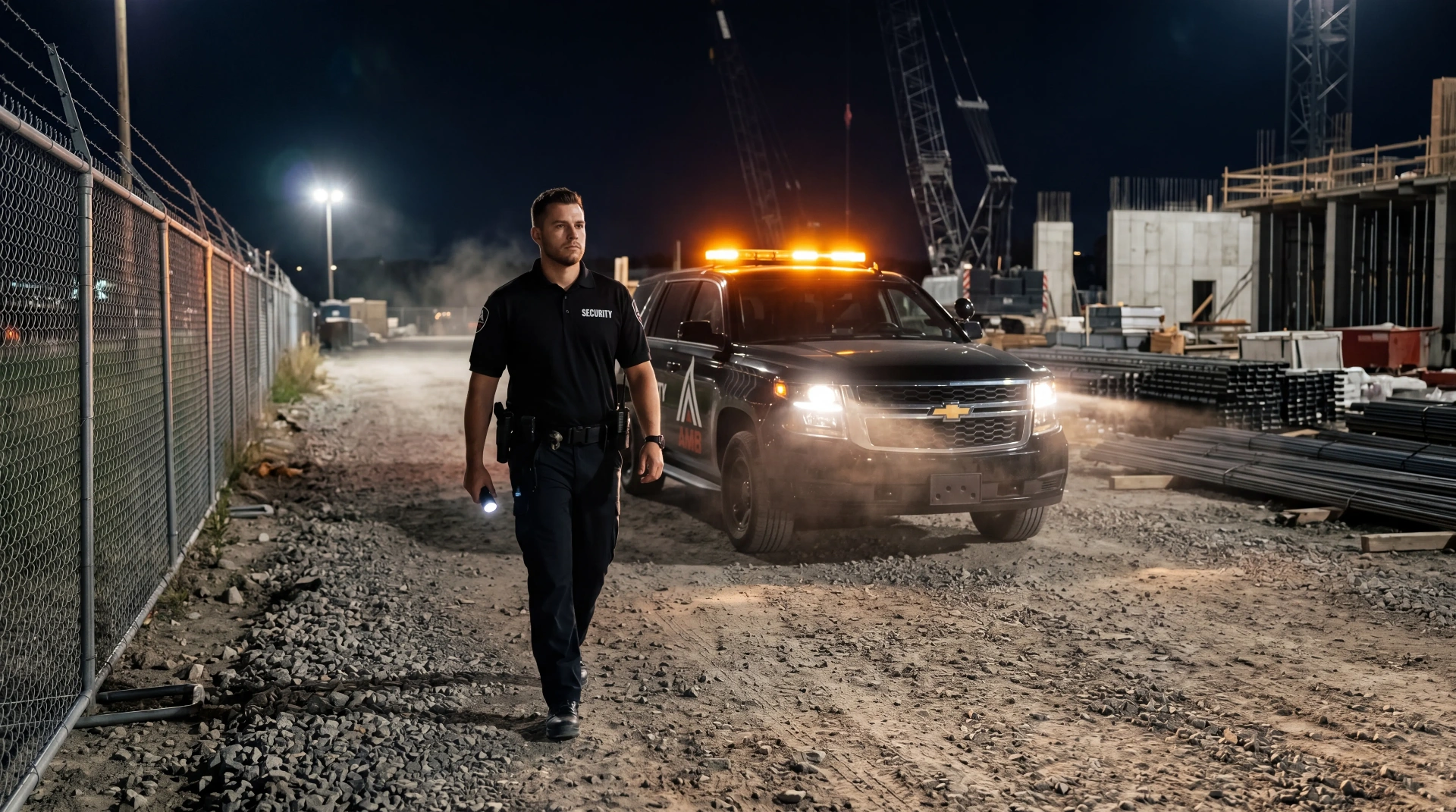
On construction sites, the same overnight hours that need a fire watch also need theft and trespass deterrence. It is natural to want one officer doing both, and sometimes that is workable, but the order of priorities is not negotiable: fire watch is the primary duty. If the round schedule required by the impairment leaves genuine slack, the officer can incorporate perimeter and gate checks into the same documented rounds. If the building is large enough that fire rounds are continuous by themselves, you need separate coverage, a dedicated fire watch officer plus mobile patrol or a second post for security.
The honest way to decide is to scope the fire rounds first, measure what a full circuit actually takes, and only then ask what else fits. We do this routinely for construction clients in Mission Bay, SoMa, and Dogpatch: one integrated post order, one daily activity report, and a clean line in the log between fire watch rounds and security checks, so neither SFFD nor your insurer has to untangle which duty was being performed when. If your project is approaching commissioning with occupancy phasing in, plan the transition early, the day the system passes its acceptance test is the day the fire watch ends and ordinary site security continues without a gap.